
How to Integrate ESG Factors While Making Financing Decisions
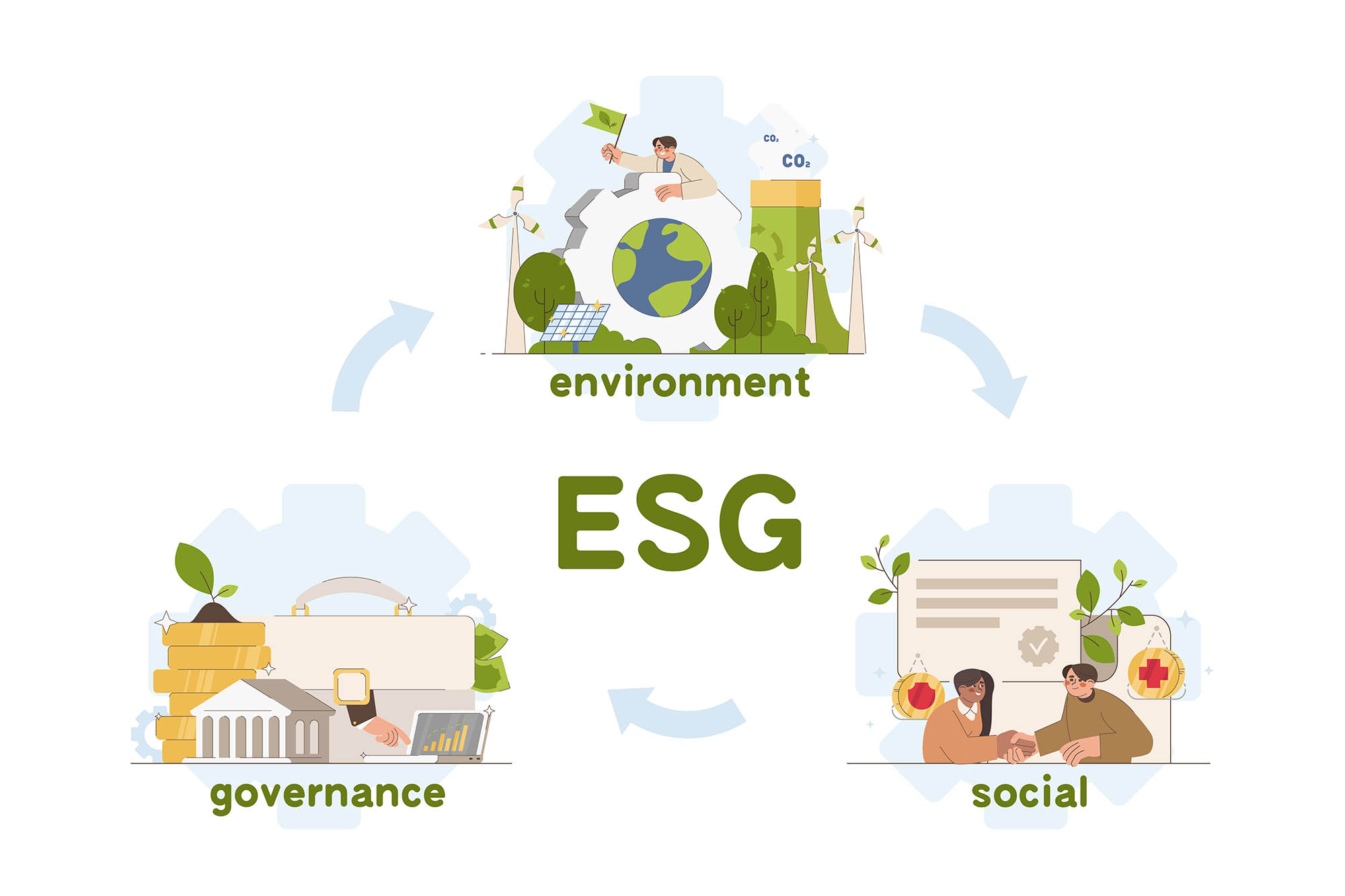
Sustainable finance emphasizes the integration of environmental, social, and governance (ESG) criteria into financing decisions and strategies. By considering ESG factors, Corporates can align their financial activities with sustainable development goals and mitigate risks associated with environmental and social issues. In this article, we'll explore how Corporates can incorporate ESG criteria into their corporate financing practices.
Understanding ESG Criteria:
ESG criteria encompass environmental, social, and governance factors that impact a Corporate's sustainability performance. Key aspects of ESG criteria include:
- Environmental Factors: Climate change, pollution, resource depletion, and environmental management practices.
- Social Factors: Labor practices, human rights, community engagement, and diversity and inclusion.
- Governance Factors: Board structure, executive compensation, shareholder rights, and transparency.
Integrating ESG into Financing Decisions:
Corporates can integrate ESG criteria into their financing decisions through various methods, including:
- ESG Risk Assessment: Assessing the environmental and social risks associated with financing activities, projects, and investments.
- ESG Due Diligence: Conducting due diligence to evaluate the ESG performance of potential borrowers, partners, and investments.
- ESG Reporting: Disclosing ESG information to investors, lenders, and other stakeholders to enhance transparency and accountability.
- ESG Linked Financing: Structuring financing arrangements with ESG-linked incentives and conditions to promote sustainable practices.
Benefits of ESG Integration:
Incorporating ESG criteria into corporate financing offers several benefits for Corporates, including:
- Risk Mitigation: Identifying and mitigating ESG-related risks, such as regulatory non-compliance, reputational damage, and supply chain disruptions.
- Cost Reduction: Implementing sustainable practices and reducing resource consumption can lead to cost savings and operational efficiency.
- Access to Capital: Investors and lenders increasingly favor Corporates with strong ESG performance, providing access to a broader pool of capital.
- Enhanced Stakeholder Relations: Demonstrating commitment to ESG principles enhances relationships with stakeholders, including investors, customers, and employees.
Implementation Strategies:
To effectively integrate ESG criteria into corporate financing, Corporates can adopt the following strategies:
- Board and Executive Leadership: Establishing board-level oversight and leadership on ESG issues.
- Employee Engagement: Involving employees in ESG initiatives and fostering a culture of sustainability.
- Stakeholder Engagement: Engaging with investors, lenders, and other stakeholders to understand their ESG expectations and preferences.
- Continuous Improvement: Implementing feedback mechanisms and monitoring systems to track progress on ESG goals and initiatives.
Sustainable finance involves integrating ESG criteria into corporate financing to promote long-term value creation and sustainability. By considering environmental, social, and governance factors in their financing decisions and strategies, Corporates can enhance their financial performance, manage risks, and contribute to a more sustainable future.
Let’s raise better, to grow better.